
How to Manage Social Anxiety in Public: From Panic to Peace 
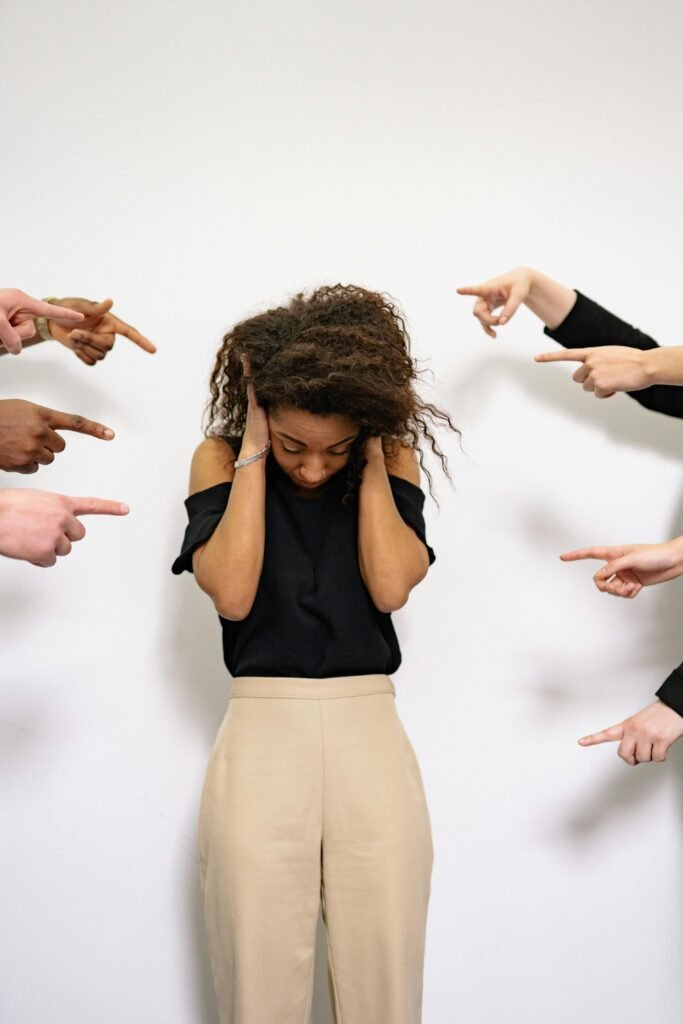
Social anxiety is a common, however frequently misconstrued, condition. The fear of social judgment or making botches in the open can be overpowering. When confronted with social circumstances, the physical and passionate side effects can feel paralyzing—racing heart, sweating palms, and an intellect filled with negative contemplations. That being said, with the right approach, you can go from feeling overpowered and frozen to feeling calm and in control.
In this web journal, we will investigate practical tips and methods to help manage social anxiety in public and change panic into peace.
Understanding Social Anxiety in Public
How Does Social Anxiety Work?
Social anxiety is the fear of social circumstances where you feel you might be judged or adversely assessed. It’s common to feel a bit anxious before openly talking or meeting new people, but for those with social anxiety, these circumstances can be debilitating. The fear of shame or making a botch can make a cycle of shirking, confinement, and distress.
The Physical and Passionate Impact
Social anxiety doesn’t fairly influence your considerations; it has a physical component as well. A few common physical indications include:
- Quick heartbeat
- Sweating
- Dry mouth
- Trembling or shaking
Inconvenient breathing Candidly, social anxiety can cause a sense of fear, intemperate stress, and self-consciousness. These sentiments can build up, making indeed regular social intelligence appear inconceivable.
Procedures for Managing Social Anxiety
1. Get it and Recognize Your Anxiety
Recognize the Symptoms
Understanding that social anxiety is a physiological and mental reaction to fear is the first step toward overcoming it. When you begin feeling on edge, take a minute to recognize the indications and remind yourself that these responses are transitory. Understanding that the fear is nonsensical can offer assistance if you isolate the physical sensations from the circumstance at hand.
Acknowledge Your Anxiety
Don’t attempt to battle your anxiety or thrust it absent. In step, recognize it. Saying to yourself, “I’m feeling on edge, and that’s okay,” can really diminish its control. The more you acknowledge your anxiety, the less control it will have over you.
2. Challenge Negative Thoughts
Recognize Disastrous Thinking
People with social anxiety regularly drop into designs of disastrous thinking, such as envisioning the most exceedingly bad conceivable result in a social circumstance. For example, you might think, “If I make a botch, everybody will judge me,” or “I’ll humiliate myself and individuals will think less of me.”
Reframe Negative Thoughts
To challenge these contemplations, hone cognitive reframing. Instead of accepting the most exceedingly bad, ask yourself:
- What proof do I have that underpins this thought?
- Is there a more reasonable way to see the situation?
- What would I say to a companion who had this worry?
Reframing negative contemplations makes a difference; you break the cycle of anxiety and approach social circumstances with a more adjusted mentality.
3. Create Profound Breathing and Unwinding Aptitudes
The Administration of Broad Breathing
Your body goes into a state of “battle or flight” when you feel on edge. This response can cause physical side impacts like shortness of breath and make it troublesome to think clearly. Deep breathing is one of the most compelling methods for controlling this.
Try this simple exercise in breathing:
- For a period of four seconds, take a deep breath in through your nose slowly.
- Breathe deeply for four seconds.
- Exhale gradually through your mouth for a number of six seconds.
- For a few cycles, repeat.
You can recapture control of your body and intellect by taking profound breaths, which lower your heart rate, diminish weight, and calm your anxious framework.
Progressive Muscle Relaxation
Progressive muscle unwinding is another method that can offer assistance to manage the physical side effects of anxiety. To relieve pressure, it involves stretching and relaxing various muscle groups in your body. You can lessen the severity of physical discomfort symptoms in social settings by regularly implementing these techniques.
4. Begin Little: Continuous Presentation to Social Situations
The Significance of Slow Exposure
Avoiding social circumstances may give brief alleviation, but it, as it were, strengthens the fear of open intelligence. Continuous presentation is a capable strategy for decreasing anxiety over time. Instead of maintaining a strategic distance from social circumstances, hone gradually uncovering yourself to anxiety-inducing scenarios in little doses.
How to Begin Small
- Start with low-stress circumstances: Put simply, casual social interactions with a companion or colleague, such as chatting with a cashier at the store or asking a colleague about their day.
- Increase trouble slowly: Once you’re comfortable with little intelligence, challenge yourself with somewhat more troublesome circumstances, such as going to a bunch gathering or locking in a discussion with somebody you don’t know well.
- Celebrate advance: Each time you step outside your comfort zone, recognize your advance and celebrate your success.
Gradual presentation will offer assistance to desensitize your anxiety and make social circumstances feel more reasonable.

5. Set Reasonable Desires for Yourself
Don’t Endeavor for Perfection
A key component in managing social anxiety is setting practical desires. It’s essential to understand that not every interaction will go perfectly, and that’s a fact. Flawlessness isn’t the goal—connection and advance are.
Instead of anticipating immaculate discussions, center on the objective of fair locks in and being shown. Mistakes or awkward moments are inevitable and a part of the learning process. The more you acknowledge that flaw as an affirmation, the less weight you’ll put on yourself in social situations.
6. Utilize Establishing Techniques
Stay Display with Establishing Exercises
When anxiety takes over, it’s simple to lose center and feel disengaged from the display minute. Establishing procedures is valuable in making a difference; you remain secure in reality.
One well-known establishing procedure is the 5-4-3-2-1 method:
- 5 things you can see around you.
- 4 things you can feel (e.g., the ground underneath your feet, the surface of your clothing).
- 3 things you can hear.
- 2 things you can smell.
- 1 thing you can taste.
By centering on your faculties, you can calm your intellect and decrease sentiments of anxiety.
7. Appear kind for yourself
Benevolence to Yourself If you feel like you’ve fizzled in a social setting, social anxiety can cause you to be unforgiving with yourself. When things do not go as arranged, it’s basic to show yourself benevolence and hone self-compassion. Attempt changing your viewpoint or maybe then scolding yourself with explanations like “I messed up” or “I was so cumbersome.” Remind yourself that it is worthy to be apprehensive and to make mistakes. Satisfy your endeavors, no matter how little they may be.
From Panic to Peace
It is not conceivable to overcome open social anxiety overnight. You can reduce the concentration of your fear and have more serene and sure intelligence by understanding your anxiety, challenging negative considerations, utilizing unwinding methods, steadily uncovering yourself to social circumstances, and practicing self-compassion. Remember that you’re not alone in your struggles, and progress is possible with persistence and practice. With time, you’ll be able to transition from panic to peace, overcome your anxiety, and recover your capacity to appreciate social encounters without fear.