
Type 1 vs. Type 2 Diabetes: Differences, Symptoms & Treatments

Understanding type 1 vs. type 2 diabetes is crucial for early disclosure, fitting treatment, and sensible long-term management. Though both sorts of diabetes influence the body’s capacity to organize blood sugar (glucose), their causes, side impacts, and drugs move on a very basic level. In this point-by-point facilitation, we’ll investigate type 1 vs. type 2 diabetes from each angle—causes, signs, conclusion, treatment, and desired strategies.
What Is Diabetes?
Before plunging into type 1 vs. type 2 diabetes, it’s essential to get diabetes in common. Diabetes is a reliable well-being condition that debilitates the body’s capacity to change over nourishment into energy. The hormone insulin converts most of our food into glucose and transports it into our cells.
People with diabetes either do not respond satisfactorily to attack or can’t utilize it appropriately, resulting in raised blood sugar levels. This lopsidedness can lead to veritable complications if left untreated. By and by, let’s compare type 1 vs. type 2 diabetes in more detail.
Type 1 vs. Type 2 Diabetes: Center Differences
The most essential refinement between type 1 and type 2 diabetes lies in how each condition impacts insulin production and usage.
(1) Type 1 Diabetes
Type 1 diabetes is a secure framework disease where the immune system wrongly attacks insulin-producing beta cells in the pancreas. As a result, the body produces little to no insulin.
- Onset: Common in children and lively grown-ups
- Cause: Immune system annihilation, conceivably activated by hereditary qualities or viruses
- Management: Every day, affront infusions or pump, strict monitoring
(2) Type 2 Diabetes
Type 2 diabetes is created due to insulin resistance or deficient insulin generation. It is frequently connected to way of life and natural factors.
- Onset: Regularly happens in grown-ups over 40 but is increasingly found in more youthful populations.
- Cause: Destitute count calories, weight, physical activity, and genetics.
- Management: way of life alterations, herbal medicines, and intervention in progressed cases
The differentiation between Type 1 and Type 2 diabetes becomes clearer when you get to their special roots and treatment approaches.
Recognizing Indications of Type 1 vs. Type 2 Diabetes
While both sorts share common warning signs, there are unobtrusive contrasts in how indications develop and progress in Type 1 vs. Type 2 diabetes.
(1) Common Symptoms
- Frequent urination
- Increased thirst
- Fatigue
- Blurry vision
- Unexplained weight loss
- Slow-healing wounds
(2) Indications in Type 1 Diabetes
- Sudden onset
- Fruity breath (due to ketoacidosis)
- Mood swings
- Bedwetting in children
(3) Indications in Type 2 Diabetes
- Gradual onset
- Numbness or shivering in hands or feet
- Recurring infections
- Darkened skin in body folds
Spotting these side effects early is crucial in recognizing type 1 vs. type 2 diabetes and beginning to rectify treatment promptly.
Causes and Chance Variables of Type 1 vs. Type 2 Diabetes
Understanding what causes type 1 vs. type 2 diabetes can offer assistance with early discovery and prevention.
Causes of Type 1 Diabetes
- Autoimmune response
- Genetic predisposition
- Viral diseases (e.g., enteroviruses)
- Family history of immune system diseases
Causes of Type 2 Diabetes
- Obesity and a sedentary lifestyle
- Insulin resistance
- Poor dietary habits
- Ethnicity and family history
Though both sorts are established in the presence of brokenness, the risk profiles for Type 1 vs. Type 2 diabetes are outstandingly different.
How Type 1 vs. Type 2 Diabetes Is Diagnosed
Diagnosis includes blood tests that survey glucose levels and affront work. For Type 1 vs. Type 2 diabetes, specialists may also utilize particular tests to affirm the type.
- Fasting Blood Sugar Test
- A1C Test
- Oral Glucose Resilience Test
- Autoantibody Testing (for Sort 1 confirmation)
Early and exact conclusion of Type 1 vs. Type 2 diabetes makes a difference in diminishing the risk of complications and improving the result of treatment.
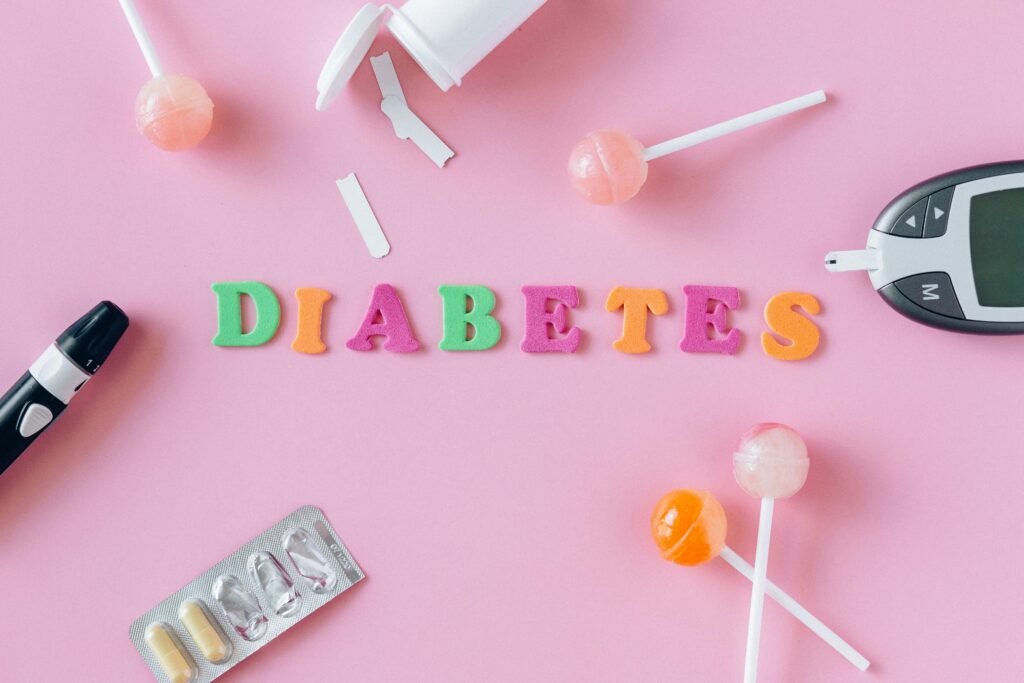
Treatment and Administration of Type 1 vs. Type 2 Diabetes
The treatment ways for Type 1 vs. Type 2 diabetes vary based on the cause and severity.
Overseeing Type 1 Diabetes
- Insulin treatment (infusions or pump)
- Frequent blood sugar monitoring
- Carbohydrate counting
- Healthy way of life choices
- Continuous Glucose Monitoring (CGM)
Overseeing Type 2 Diabetes
- Diet and exercise
- Oral solutions (like Metformin)
- Blood sugar checks
- Insulin infusions (in later stages)
- Weight administration programs
The methodology for overseeing type 1 vs. type 2 diabetes is custom-made to each individual’s condition, way of life, and general well-being goals.
Long-Term Complications in Sort 1 vs. Sort 2 Diabetes
Poorly overseen sort 1 vs. sort 2 diabetes can lead to comparative complications, in spite of the fact that the risk may shift by type and duration.
Cardiovascular Complications
Both sorts can lead to high blood pressure, heart attack, and stroke.
Kidney Damage
Chronic high blood sugar can harm kidneys, frequently more severely in type 1.
Vision Loss
Diabetic retinopathy can cause visual deficiency in both types.
Nerve Damage
Neuropathy is a genuine complication in both sort 1 and sort 2 diabetes, particularly in the feet.
Can You Avoid Type 1 vs. Type 2 Diabetes?
Avoiding Type 1 Diabetes
Unfortunately, there is no demonstrated strategy for anticipating type 1 diabetes. Be that as it may, analysts are investigating immunotherapy and immunizations that may offer assistance in the future.
Anticipating Type 2 Diabetes
You can significantly reduce your risk by
- Eating a sound diet
- Exercising regularly
- Maintaining a sound weight
- Avoiding smoking and intemperate alcohol
- Managing blood pressure and cholesterol
Lifestyle changes are an effective instrument in avoiding or postponing Type 1 vs. Type 2 diabetes, particularly Type 2.
Conclusion: Understanding Type 1 vs. Type 2 Diabetes
In conclusion, the distinction between type 1 and type 2 diabetes is basic for anybody at risk or right now overseeing the condition. Whereas both share a few common indications and complications, they vary in causes, treatment strategies, and progression.
- Type 1 is an immune system condition requiring deep-rooted insulin.
- Type 2 is more related to way of life and may be reversible in early stages.
By understanding type 1 vs. type 2 diabetes, people can take proactive steps toward comprehensive management, make strides in quality of life, and diminish the risk of long-term complications. Whether you’re recently diagnosed or supporting a loved one, information is your most grounded resource in the battle against diabetes.