
Mindfulness Meditation Made Easy: 7 Steps to Inner Peace

In today’s fast-paced world, stress and preoccupations have become a part of everyday life. We continuously juggle work, relationships, and obligations, often to the point of exhaustion, ignoring the need to pause and be reasonable. That’s where mindfulness meditation steps in. This ancient domestic practice trains your judgment skills to center on the miniature show, making a distinction when you experience calm, clarity, and energetic balance.
Whether you’re a beginner to meditation or someone who’s tried but struggled to keep it up, this guide will walk you through seven clear steps to make mindfulness meditation a regular habit. Without a doubt, a few minutes a day can move your mind, improve your concentration, and help you feel more connected with yourself and others.
What Is Mindfulness Meditation?
Mindfulness meditation is the practice of sitting watchfully, centering on your breath, contemplations, or environment, and gently bringing your judgment skills back to any point they wander. It’s almost observing or possibly reacting to your thoughts and sentiments. Over time, this makes a distinction: you decrease uneasiness, make strides, center, and boost expansive well-being.
Key benefits include:
- Lower thrust levels
- Better enthusiastic control
- Improved concentration
- Enhanced self-awareness
- Better rest quality
- Stronger flexibility in day-to-day challenges
7 Steps to Inner Peace with Mindfulness Meditation
1. Select a Calm and Safe Space
Find a spot where you won’t be irritated. It doesn’t require being completely calm — typical establishment sounds can be reduced — but keep up a vital distance from uproarious preoccupations. Design a peaceful corner for reflection — add a cushion, warm lighting, and calming fragrances like lavender to set the mood.
2. Sit Comfortably but Stay Alert
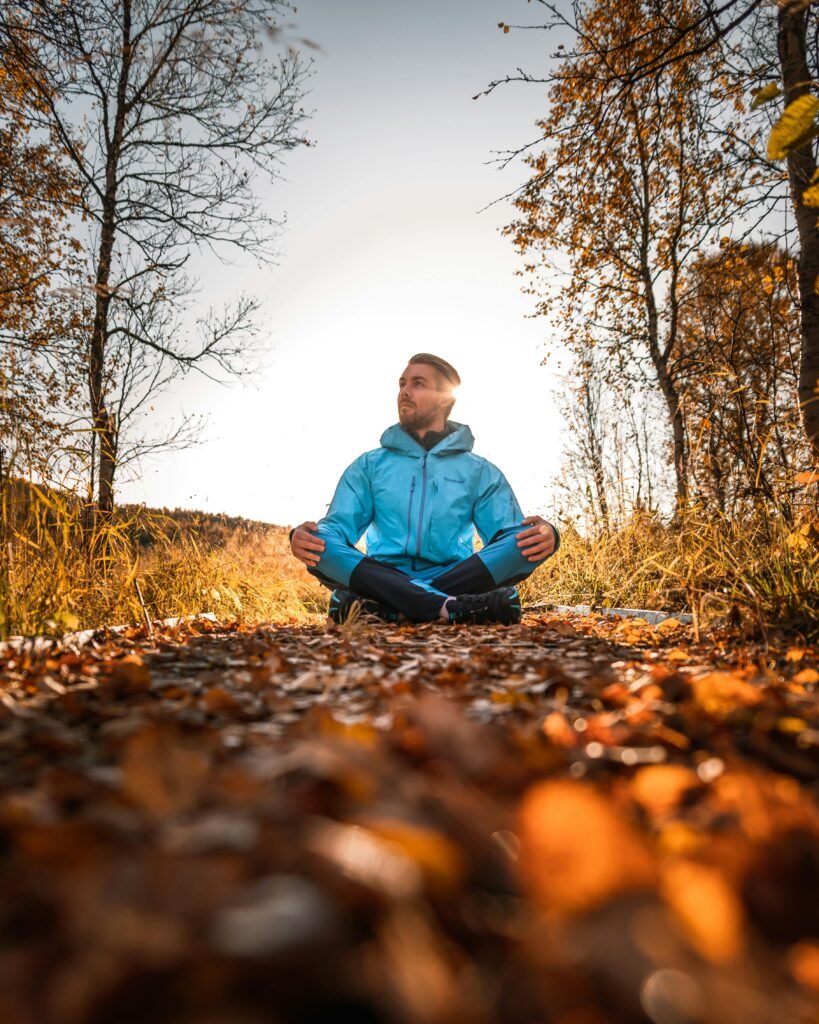
You don’t need to sit cross-legged unless you need to. A straight-backed chair works wonderfully. Maintain an upright spine, staying at ease rather than stiff or strained. Rest your hands on your lap or knees.
3. Set a Down-to-Earth Time Limit
If you’re unused to mindfulness meditation, start with 5–10 minutes a day. Utilize a sensitive clock so you’re not redirected by checking the clock. Over time, you can work your way up to 20–30 minutes daily.
4. Center on Your Breath
With eyes closed, direct your mind toward the natural flow of your breath. Take note of how the talk about feels as you breathe in and breathe out. You don’t need to control it — reasonably observe. When your judgment skills wander (and they will), carefully coordinate them back to your breath without frustration.
5. Observe Your Contemplations Without Judgment
One of the most valuable viewpoints of present-moment mindfulness is learning to take note of your contemplations without labeling them as “good” or “bad.” Imagine them like clouds passing through the sky—you see them, but you don’t hold onto them.
6. Utilize Delicate Anchors
If centering on your breath is challenging, utilize sensitive hooks like
- Counting breaths (breathe in 1, breathe out 2, up to 10; at that point, repeat)
- Repeating a calming word or mantra
- Paying attention to sensations in your body
7. Conclusion with Gratitude
When your clock goes off, take a minute or two to open your eyes. Recognize the time you’ve given yourself and think of one thing you’re appreciative of. This direct tone can raise your personality and set a positive tone for the rest of your day.
Extra Tips for Success
Stay consistent: Set aside the same time daily to build a lasting habit.
Don’t chase flawlessness: A few days will be easier than others — and that’s okay.
Pair it with day-to-day life: You can also hone present-moment mindfulness while strolling, eating, or indeed doing chores.
Stay understanding in advance: The benefits of mindfulness frequently construct gradually, so don’t anticipate instant transformation.
How Mindfulness Meditation Moves Forward in Mental Health
Research shows that standard present-moment awareness practice can help decrease symptoms of anxiety, depression, and chronic stress.
By training your brain to center on the show, mindfulness meditation diminishes rumination — the penchant for replaying negative events in your head. Over time, this leads to a calmer, more balanced state of judgment skills. People who sharpen regularly routinely report feeling more grounded, more optimistic, and way better able to investigate troublesome emotions.
FAQs: Nearly Mindfulness Meditation
Q1: How routinely should I sharpen my mindfulness meditation?
At least 10 minutes is ideal. Consistency matters more than duration.
Q2: Can I do mindfulness meditation without sitting still?
Absolutely! You can practice it while moving — for example, through mindful walking, eating with full awareness, or listening attentively. These active forms still bring the same calming benefits as seated practice.
Q3: What if I find it hard to quiet my mind in meditation?
It’s completely standard. The objective isn’t to clear your judgment skills but to take note when it winds and gently bring it back.
Q4: Is mindfulness meditation the same as relaxation?
Not absolutely. While loosening up is regularly a side effect, mindfulness is roughly mindfulness, not obliging calm.
Q5: Can mindfulness meditation offer help with rest problems?
Yes. Practicing mindfulness a few times before bed can calm dashing thoughts and arrange your body for rest.
Conclusion
Mindfulness meditation is a clear and compelling way to diminish stress, stay centered, and find balance in day-to-day life. By taking these seven steps, you can build a plan that fits your way of life and supports prevalent mental health.
The best parcel? You can sharpen wherever, anytime, without unprecedented disobedience. Start small, stay solid, and you’ll see some time recently a long-term note of positive changes in how you think, feel, and respond to challenges. Over time, present-moment awareness becomes more than a practice — it becomes a way of living.
Your travel to internal peace begins with one cautious breath. Take it these days, and let it coordinate you toward a calmer, more blissful, and more joyful life.