
Stress Management Techniques for Busy People

In our fast-moving society, experiencing stress has become nearly impossible to avoid. Busy schedules, personal commitments, and endless digital noise often combine to create mounting stress. That’s why learning stress management techniques for busy people is not just helpful — it’s fundamental for both mental and physical health.
This direct will walk you through commonsense tips, speedy stress relievers, and sound way-of-life changes that even the busiest professional, parent, or student can apply without disturbing their schedule.
Why Stress Management Matters for Busy People
Stress doesn’t affect your disposition; it impacts your efficiency, connections, and long-term well-being. It appears that an unremitting stretch can contribute to:
- Anxiety and depression
- Sleep disorders
- High blood pressure
- Heart disease
- Weakened safe system
For active people, unmanaged stress frequently leads to burnout, weariness, and decreased productivity. That’s why learning the right techniques to manage stress with a busy schedule can help you perform better and feel healthier.
Quick Stress Management Techniques You Can Do Anytime
If your plan feels overpowering, the great news is that stretching help doesn’t have to take hours. Here are a few practical stress management tips for working experts and active people:
1. Profound Breathing Exercises
Taking just a few minutes of focused breathing — around 2 to 5 minutes — can noticeably ease stress. Use the 4-7-8 technique by breathing in for four counts, holding your breath for seven, and releasing it for eight. This basic propensity can calm your apprehensive framework nearly instantly.
2. Smaller than expected Mindfulness Breaks
You can explore mindfulness without needing a meditation pillow or setup. Basically, stop for one moment, near your eyes, and center on your breath or environment. This makes a mental reset, moving forward with clarity and focus.
3. Stretch Help at Your Desk
If you’re tied to a work area, try:
- Stretching your neck and shoulders
- Standing up for a speedy walk
- Listening to calming music for 3–5 minutes
These micro-breaks offer assistance in discharging pressure while boosting energy.
Way of Life Changes That Reduce Stress Long-Term
While fast fixes are accommodating, enduring alleviation comes from building sound habits into your lifestyle.
4. Prioritize Sleep
Lack of rest makes the stress more awful. Point for 7–8 hours per night and make a calming sleep time routine — dim lights, no phone screens, and perhaps a warm container of homegrown tea.
5. Move Your Body
Engaging in consistent exercise is among the most effective methods to ease stress. You don’t require the exercise center each day — just a 15-minute walk amid lunch or a few minutes of stretching in the morning can diminish tension.
6. Eat Stress-Reducing Foods
Eating less impacts your disposition. Choose:
- Whole grains for consistent energy
- Leafy greens are rich in magnesium
- Nuts and seeds for brain health
- Herbal teas like chamomile for relaxation
Avoid over-the-top caffeine and processed foods that increase anxiety.
Time Administration: A Key Stress Reliever
One of the greatest stress triggers for active individuals is the need for time. Shrewd time administration can make a tremendous difference.
7. Apply the 80/20 Principle to Manage Stress
Apply the 80/20 principle by identifying the small portion of tasks — around 20% — that drive most of your achievements. Streamline your workload by delegating or letting go of tasks that add little value.
8. Break Work into Little Steps
Instead of handling tremendous ventures all at once, break them down into smaller, sensible assignments. This reduces feelings of overwhelm and builds a sense of accomplishment as you progress.
9. Plan Unwinding Like an Appointment
Busy individuals regularly skip downtime. Square out at least 10–15 minutes every day for yourself — whether it’s journaling, perusing, or strolling outdoors.
Stress Management Techniques for the Workplace
Since most people spend a big part of their day at work, learning workplace stress management techniques is crucial.
- Set clear boundaries: Don’t reply to work emails late at night.
- Keep your workspace organized: Clutter increases anxiety.
- Take brief breaks every 90 minutes: This helps prevent mental exhaustion.
- Communicate with your director: Speak up if the workload feels unmanageable.
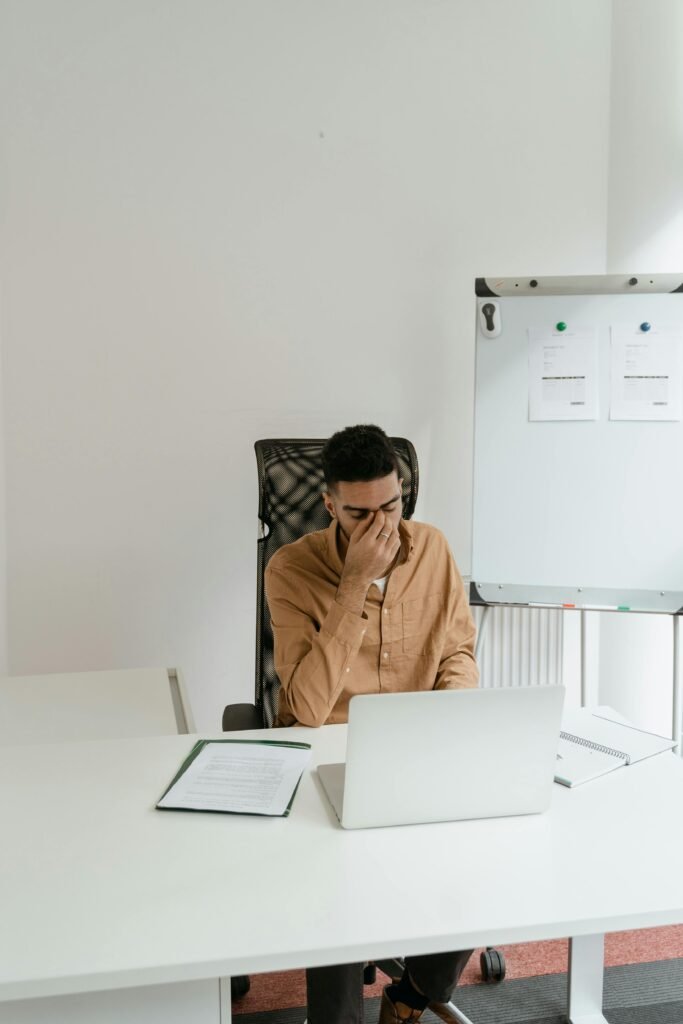
The Part of Attitude in Stress Relief
How you think about stress impacts how much it influences you. Receiving a development attitude makes a difference; you see challenges as openings or maybe as threats.
- Practice appreciation: Type in 3 things you’re appreciative of daily.
- Use uplifting self-talk: Trade “I can’t deal with this” for “I’ll handle it step by step, and that will be enough.”
- Acceptance: A few stretches are inevitable — learning to react calmly is more viable than battling it.
Down-to-Earth Stress Alleviation for Active Lifestyles
Let’s recap a few stress management techniques for busy people that fit into tight schedules:
- 5-minute breathing works out some time recently, meetings
- Walking is in the same step as sitting at a desk
- Listening to calming podcasts while commuting
- Plan and pack nutritious snacks ahead of time so you’re less tempted by junk food
Even little changes can include up to an enormous change in disposition, center, and energy.
Conclusion: Take Control of Stress Today
Stress will continuously be a part of present-day life, but it doesn’t have to control you. By applying stress management techniques for busy people, you can construct flexibility, secure your well-being, and remain profitable indeed under pressure.
Remember: begin small, be reliable, and celebrate advances. Whether it’s through mindfulness, superior rest, working out, or time administration, each step you take diminishes stress and brings you closer to balance.
With the right techniques, you can turn stress from a burden into motivation — and live a more advantageous, more satisfying life.
FAQs: About Stress Management Techniques for Busy People
1. What are the best fast stress management techniques for busy people?
Some of the best fast strategies incorporate profound breathing, brief strolls, mindfulness breaks, and stretching at your work area. These can be done in a fair few minutes without disturbing your day.
2. Can I oversee stress without taking a long break from work?
Yes! You don’t continuously require a getaway to decrease stress. Little activities like planning micro-breaks, tuning in to calming music, or practicing appreciation can make an enormous difference.
3. How can I reduce stress if I have no free time?
If your schedule is packed, focus on integrating stress management into daily habits — for example, practice mindful breathing while commuting or take walking meetings instead of sitting all day.
4. What nourishments offer assistance in decreasing stress naturally?
Foods wealthy in magnesium, omega-3s, and antioxidants — like nuts, verdant greens, salmon, and berries — can help your body handle stress more effectively. Maintain a strategic distance from caffeine overload and handled snacks, which may increase anxiety.
5. How many times a day should I practice stretch help techniques?
Even 2–3 brief stretch help sessions per day can essentially make strides in center and temperament. Consistency is more vital than duration — small day-by-day propensities are more compelling than incidental long sessions.
6. Are stress management techniques different for working experts and students?
While the nuts and bolts (breathing, working out, mindfulness) apply to everybody, working experts may require better time management and working environment boundaries, whereas students benefit from taking breaks and screen-free downtime.