
Climate Change and Infectious Diseases: A Global Health Threat
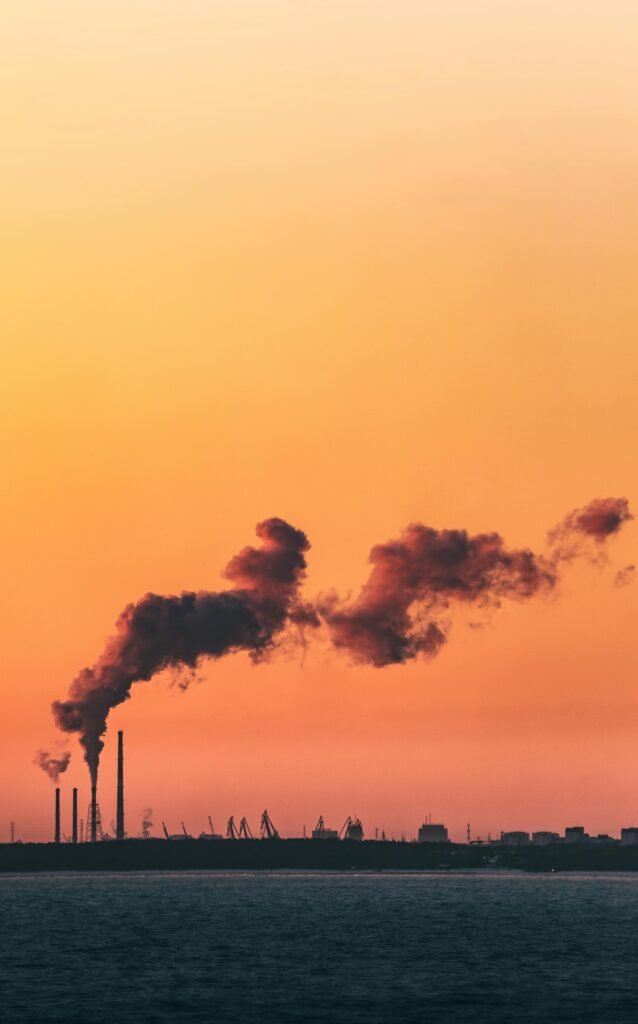
Climate change is no longer merely a natural issue; it has far-reaching results on human well-being, especially in the spread and escalation of infectious diseases. As worldwide temperatures rise, climate designs move, and environments are disturbed, the flow of infectious diseases is changing. This web journal investigates how climate change is affecting infectious diseases, the components behind these changes, and what can be done to mitigate the risks.
The Association Between Climate Alter and Infectious Diseases
Infectious diseases are caused by pathogens such as organisms, contaminations, parasites, and life forms. The transmission of these maladies is intensely affected by natural variables, numerous of which are being changed by climate change. As a result, rising temperatures, changing precipitation patterns, and extreme weather events create conditions that can enhance the spread of infectious diseases.
Key Mechanisms:
- Warmer Temperatures: Numerous pathogens and their vectors (e.g., mosquitoes, ticks) flourish in hotter climates.
- Altered Precipitation Designs: Expanded precipitation can make breeding grounds for waterborne infections, whereas dry seasons can concentrate pathogens in restricted water sources.
- Extreme Climate Occasions: Surges, storms, and heatwaves can disturb foundations, uproot populations, and make perfect conditions for malady outbreaks.
How Climate Alteration is Influencing Particular Infectious Diseases
1. Vector-Borne Diseases
Vector-borne infections are transmitted by living beings like mosquitoes, ticks, and insects. Climate change is growing the geographic range of these vectors, permitting them to survive in districts already as cold or dry for their survival.
- Malaria: Hotter temperatures and expanded precipitation are empowering malaria-carrying mosquitoes to flourish in modern zones, including high-altitude regions.
- Dengue Fever: The Aedes mosquito, which transmits dengue, is spreading to calm zones due to rising temperatures.
- Lyme Malady: Ticks, which carry Lyme malady, are getting to be more dynamic and broad as winters have gotten to be milder.
2. Waterborne Diseases
Consequently, changes in rainfall patterns and extreme weather events are affecting water quality and availability, driving the spread of waterborne diseases.
- Cholera: Flooding can sully water supplies with cholera microscopic organisms, whereas dry spells can concentrate pathogens in restricted water sources.
- Leptospirosis: This bacterial disease spreads through water sullied by animal pee and is getting to be more common after overwhelming precipitation and flooding.
3. Zoonotic Diseases
In particular zoonotic diseases are infections that spread from animals to humans. Climate change is disturbing environments, bringing people and natural life into closer contact.
- Lyme Infection: As environments shrivel, creatures like deer and mice (which carry ticks) are moving closer to human populations.
- Hantavirus: Rodents, which carry hantavirus, are getting to be more predominant in zones influenced by climate change.

4. Respiratory Infections
Climate change is too connected to an increment in respiratory contaminations, especially through its effect on air quality.
- Wildfires: Rising temperatures and dry seasons are expanding the recurrence and escalation of fierce blazes, which discharge destructive particulate matter into the air, compounding respiratory conditions.
- Allergens: Longer developing seasons and higher CO2 levels are expanding dust generation, driving more serious hypersensitivities and respiratory infections.
The Part of Human Behavior and Infrastructure
Climate change doesn’t only affect the environment; it also impacts human behavior and foundations, which in turn impacts the spread of infectious diseases.
- Urbanization: As individuals move to cities to elude climate-related calamities, packing and destitute sanitation can lead to illness outbreaks.
- Migration: Climate-induced relocation can bring individuals into contact with modern pathogens and strain healthcare frameworks in have regions.
- Agricultural Changes: Shifts in cultivating homes due to climate alteration can increase presentation to zoonotic diseases.
Vulnerable Populations at More Noteworthy Risk
However, not everyone is equally affected by the impact of climate change on infectious diseases. Defenseless populations, including children, the elderly, and those in low-income nations, are at more noteworthy risk.
- Low-Income Nations: Numerous creating countries need the foundation and assets to combat the spread of infectious diseases.
- Indigenous Communities: These bunches frequently depend on normal assets and are excessively influenced by environmental disruptions.
- Urban Destitute: Stuffed living conditions and restricted access to healthcare make urban destitute populations more vulnerable to illness outbreaks.
Mitigating the Effect of Climate Alter on infectious diseases
While the challenges are critical, there are steps that can be taken to relieve the effect of climate change on infectious diseases.
1. Fortifying Open Wellbeing Systems
- Improve infection observation and early caution systems.
- Invest in healthcare frameworks, particularly in powerless regions.
2. Climate Adjustment Strategies
- Develop climate-resilient water and sanitation systems.
- Implement vector control programs in high-risk areas.
3. Worldwide Cooperation
- Reduce nursery gas emanations to moderate the pace of climate change.
- Support worldwide endeavors to combat infectious diseases, such as antibody dissemination, and investigate funding.
4. Community Instruction and Engagement
- Raise mindfulness almost to the interface between climate change and infectious diseases.
- Promote behaviors that diminish illness transmission, such as appropriate handwashing and mosquito control.
Conclusion
Climate change is a capable drive reshaping the scene of infectious diseases. From growing the extent of disease-carrying vectors to disturbing biological systems and human behavior, its effect is significant and far-reaching. Tending to this issue requires a multifaceted approach that combines open well-being intercessions, climate adjustment techniques, and worldwide participation. By taking action presently, we can diminish the dangers and ensure defenseless populations from the developing risk of climate-driven infectious diseases.
This web journal gives a comprehensive outline of the theme while consolidating your target watchword (illness) and sub-category (infectious diseases). Let me know if you require advance alterations!