
How Malaria Is Spread and How to Protect Yourself
Malaria is a veritable mosquito-borne ailment that continues to be a around the world well-being peril, especially in tropical and subtropical locales. Understanding how wilderness fever is spread and taking the right security measures is imperative to secure yourself from wilderness fever, whether you’re a neighborhood occupant or an all-inclusive traveler. In this comprehensive direct, we’ll investigate the causes of jungle fever, its indications, how it spreads, and — most imperatively — how you can avoid it.
According to the World Health Organization (WHO), there were around 249 million cases of jungle fever around the world in 2022, with over 600,000 deaths, for the most part among children in sub-Saharan Africa. In spite of critical advances, jungle fever remains an open public health crisis in numerous parts of the world.
What Is Malaria?
Malaria is an irresistible illness caused by Plasmodium parasites, which are transmitted through the chomps of tainted female Anopheles mosquitoes. There are five known Plasmodium species that contaminate people, with Plasmodium falciparum and Plasmodium vivax being the most common.
Once interior the human body, the parasite voyages to the liver, where it develops and at that point enters the circulation system, contaminating ruddy blood cells and increasing quickly. Without treatment, intestinal sickness can cause extreme complications like cerebral jungle fever, organ harm, and indeed death.
How Intestinal Malaria
Mosquito Nibbles: The Essential Vector
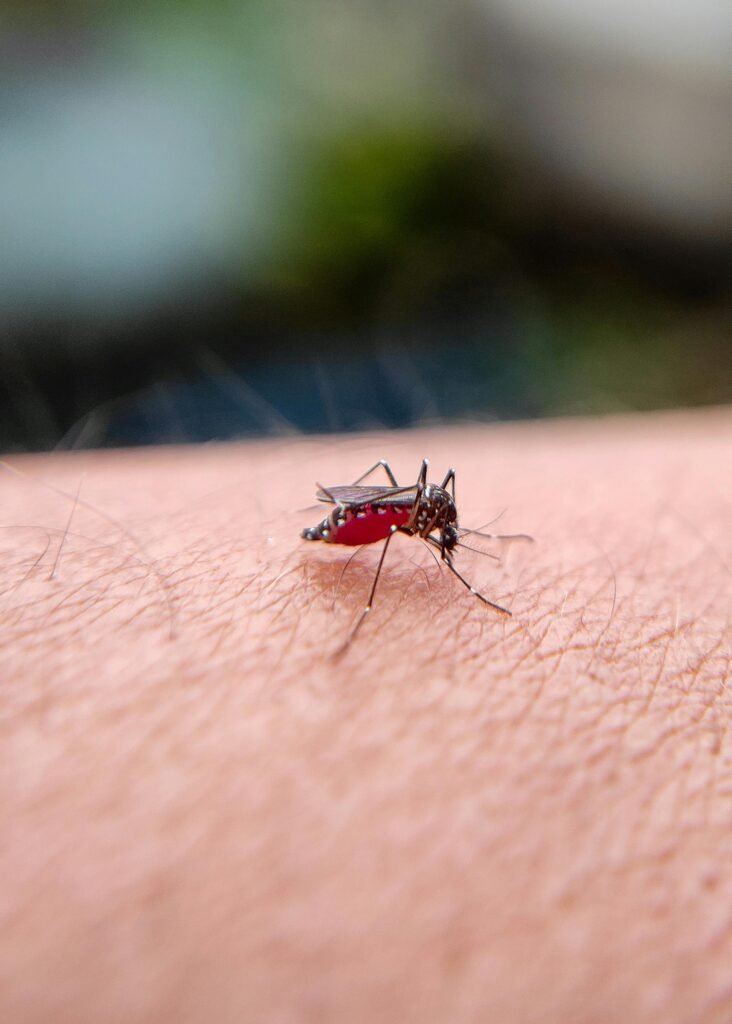
The primary strategy of jungle malaria transmission is by means of the chomp of a contaminated female Anopheles mosquito. These mosquitoes more often than not nibble amid the night — from sunset to first light. When a mosquito nibbles somebody contaminated with intestinal sickness, it picks up the parasite and can pass it on to the following individual it bites.
Other Transmission Pathways
While mosquito chomps are the most common way intestinal sickness spreads, there are other, less common ways it can be transmitted:
- Congenital jungle malaria: From mother to child amid pregnancy or childbirth
- Blood transfusion: If tainted blood is used
- Organ transplants
- Needle-sharing: Among sedate clients or in risky restorative practices
These modes of transmission highlight the significance of secure therapeutic hones and mindfulness approximately intestinal sickness indeed exterior non-endemic zones.
Common Side Effects of Malaria
Malaria indications regularly occur 10–15 days after being nibbled by a tainted mosquito. Indications can shift depending on the Plasmodium species, but common signs include:
- Malaria and chills
- Headache
- Muscle aches
- Sweating
- Nausea and vomiting
- Fatigue
- Abdominal pain
- In serious cases: seizures, disarray, trouble breathing, or coma
These indications frequently show up in patterned designs, repeating every 48–72 hours depending on the parasite. Without incite treatment, jungle malaria can heighten into life-threatening complications.
Who Is Most at Risk of Malaria?
Malaria can influence anybody, but certain populaces are more powerless to extreme ailment and death:
- Children under 5 are a long time old
- Pregnant women
- Travelers from non-endemic regions
- People with debilitated safe systems
- Residents in high-transmission ranges without access to healthcare
For case, pregnant ladies are at hazard of complications like maternal frailty, stillbirth, and low birth weight. Travelers ought to be particularly cautious, as they regularly need characteristic immunity.
How to Secure Yourself from Malaria
Prevention is the best line of defense against intestinal sickness. Here’s how to successfully secure yourself from jungle fever, particularly when living in or traveling to influenced areas.
1. Avoid Mosquito Bites
This is the most basic step in intestinal sickness prevention.
- Use creepy-crawly repellents with DEET, picaridin, or IR3535.
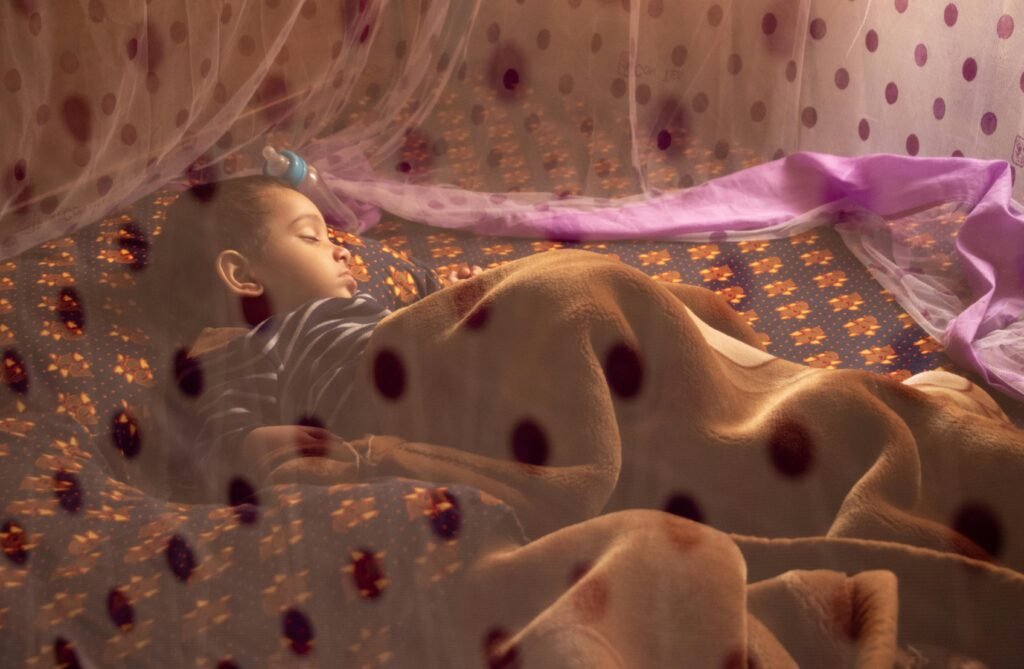
- Sleep beneath insecticide-treated mosquito nets (ITNs)
- Install window and entryway screens to square mosquitoes.
- Avoid open-air presentations at night, particularly in rustic or forested areas.
Even basic propensities like closing entryways at sunset or expelling standing water close homes can diminish mosquito breeding.
2. Take Antimalarial Medication
Depending on your goal and length of travel, your specialist may endorse antimalarial drugs. These solutions do not avoid mosquito nibbles but halt the parasite from creating in your body.
Commonly endorsed medications:
- Atovaquone-proguanil (Malarone)
- Doxycycline
- Mefloquine
- Chloroquine (as it were, for districts with known sensitivity)
Start pharmaceutical sometime recently travel, proceed amid the remain, and for a few days/weeks after returning, as directed.
3. Get Immunized (Where Available)
The RTS, S/AS01 (Mosquirix) jungle fever immunization is as of now prescribed in parts of Africa for children and may get to be more broadly accessible. Whereas not 100% defensive, it essentially decreases extreme jungle fever cases.
Another promising antibody — R21/Matrix-M — is appearing superior viability and is anticipated to be rolled out in 2025 and beyond.
4. Wear Defensive Clothing
Wearing long-sleeved shirts and pants, especially at night, includes a physical obstruction against chomps. Light-colored clothing makes a difference prevent mosquitoes, which are pulled into darker shades.
5. Remain in Secure Accommodations
If you’re traveling, remain in lodgings with discuss conditioning, screened windows, or insecticide-treated bed nets. Budget lodgings or country lodges may not offer satisfactory assurance, so consider bringing your claim net or repellents.
Jungle Fever Anticipation Tips for Travelers
Sometime recently You Travel
- Consult a travel clinic or specialist 4–6 weeks sometime after recent departure.
- Get an intestinal sickness hazard appraisal for your destination.
- Begin taking any endorsed antimalarial medications.
Amid Your Trip
- Use repellent and bed nets daily.
- Avoid open water and high-risk zones after dusk.
- Monitor for indications like fever, particularly after climbs or open-air stays.
After Returning
- Keep taking your pharmaceuticals as prescribed.
- Watch for intestinal sickness side effects for up to 30 days.
- See a specialist promptly if indications appear.
Worldwide Endeavors to Dispense with Malaria
The worldwide battle against jungle fever has made extraordinary strides:
- The WHO’s Worldwide Specialized Methodology points to a decrease in jungle fever cases by 90% by 2030
- Programs like Roll Back Intestinal Sickness and The Worldwide Support disseminate bed nets, finance immunizations, and prepare healthcare workers.
- Countries like Sri Lanka and El Salvador have as of late been certified malaria-free
Still, challenges remain:
- Drug-resistant parasites in Southeast Asia
- Climate alters growing mosquito habitats.
- Limited healthcare gets to farther areas.
Awareness, anticipation, and advancement will proceed to drive jungle fever control.
Conclusion: Ensure Yourself From Intestinal Sickness with Mindfulness and Action
Malaria is preventable, treatable, and in numerous cases, avoidable with the right safety measures. Understanding how intestinal malaria — fundamentally through mosquito nibbles — enables you to take proactive steps to secure yourself from intestinal sickness. Whether you’re a visiting traveler, a healthcare specialist, or living in a high-risk locale, you can minimize your hazard by remaining educated, utilizing defensive devices, and looking for opportune therapeutic help.
Taking intestinal sickness seriously can save lives, including yours.