Junk Food: Health Risks, Side Effects, and Better Alternatives
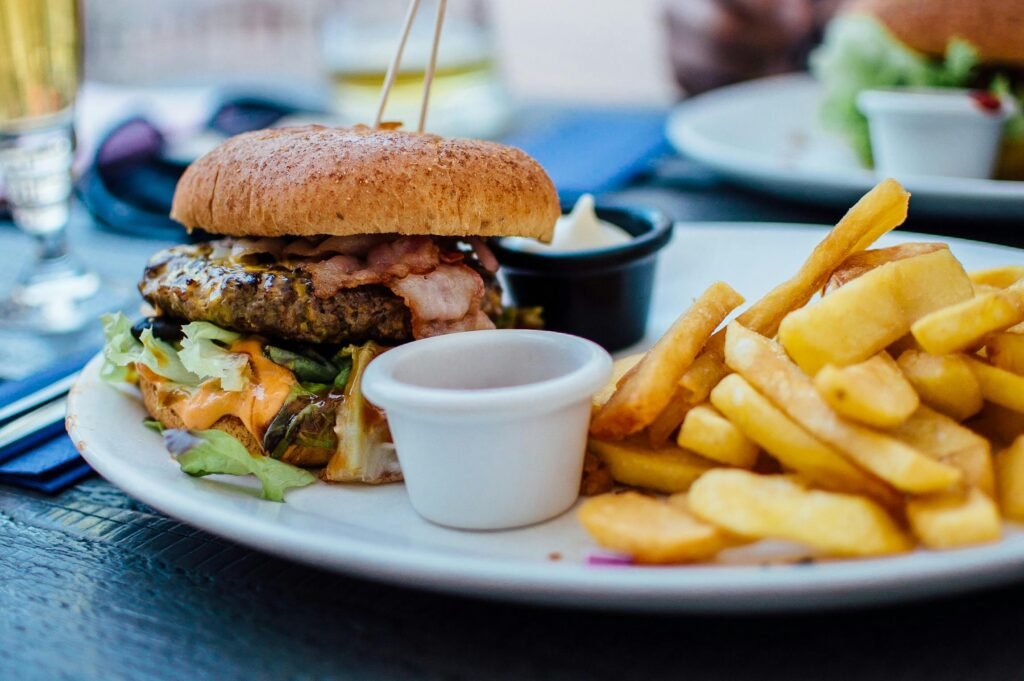
Junk food is everywhere—from corner stores to drive-thrus and indeed your domestic washroom. These supportive, in any case undesirable, snacks may fulfill your wants in the short term, but they come with veritable long-term consequences. Whether it’s bundled chips, sugary drinks, or sleek fast food, junk food can influence your physical and mental well-being. Understanding the well-being threats and finding more brilliant choices can offer assistance you keep up a nutritious, well-balanced lifestyle—even with a dynamic plan.
What is Junk Food?
Junk food alludes to excessively processed foods that are high in calories, sugar, salt, and unhealthy fats but low in fundamental supplements like fiber, vitamins, and minerals. Common illustrations include:
- Candy and soda
- Deep-fried snacks
- Fast food burgers and fries
- Prepackaged pastry kitchen items
- Sugary cereals
These nourishments are frequently labeled as prepared foods since they go through a few mechanical processes that diminish their dietary value.
Wellbeing Dangers of Junk Food
Eating junk food routinely can lead to diverse well-being issues. Here are the most common perils related to high-calorie food consumption:
1. Corpulence and Weight Gain
One of the quickest side effects of unhealthy food is weight gain. High in calories and low in satiety, processed food causes you to indulge without really feeling full. This contributes direct to corpulence, which increases the chance of heart disease, diabetes, and certain cancers.
2. Heart Disease
Junk food is ordinarily rich in trans fats, sodium, and added sugars—all of which are major risk factors for cardiovascular issues. Over-the-top confirmations can cause high blood pressure, high cholesterol levels, and in the long run, heart disease.
3. Type 2 Diabetes
Sugary drinks, cakes, and other undesirable snacks can spike blood sugar levels and diminish effectiveness over time. A diet high in refined sugars and low in fiber is specifically connected to type 2 diabetes.
4. Destitute Mental Health
Studies propose that diets stacked with junk food may also influence your mental well-being. Supplement deficiencies caused by limited choices can increase the chance of sadness, uneasiness, and mood swings.
5. Stomach-related Issues
Junk food needs fiber, which is significant for solid assimilation. Over time, mucus fiber admissions can lead to clogging, bloating, and other gastrointestinal problems.
Side Effects of Standard Junk Food Consumption
Aside from long-term well-being perils, devouring unfortunate nourishment as frequently as conceivable can result in recognizable short-term side effects:
Weakness and Low Energy
Though convenience food gives a fast vitality spike due to high sugar content, it’s ordinarily followed by a crash. Not at all like sound eating, fast food fails to provide sustained vitality and may leave you feeling tired or sluggish.
Sugar Desires and Addiction
Many junk foods trigger sugar desires and lead to addictive eating behaviors. The combination of sugar, salt, and fat activates the brain’s reward framework, making you need more, even when you’re not hungry.
Skin Problems
Oily, salty, and sugary snacks may compound skin breakouts and skin conditions, particularly in young people. A deficit of calories can cause irritation, which adversely influences skin health.
Way Better Options to Junk Food
Quitting junk food doesn’t mean giving up on delicious snacks. Here are nutritious choices that can fulfill your desires without hurting your health:

1. Supplant Chips with Broiled Nuts
Instead of coming for salty chips, select almonds, walnuts, or pumpkin seeds. These are rich in sound fats, protein, and fundamental supplements.
2. Select New Natural Products Over Candy
Fruits like berries, apples, and bananas offer characteristic sugars along with fiber and vitamins, making them a more nutritious snack choice.
3. Pick Whole Grain Over Refined Foods
Whole grains such as brown rice, quinoa, and cereal bolster essentialness and support clean eating.
4. Make Smoothies Instead of Sugary Drinks
Homemade smoothies with Greek yogurt, natural products, and seeds are an incredible alternative to pop or milkshakes. They’re revived, filled, and pressed with nutrients.
5. Plan Sound Nibble Boxes
Meal prep isn’t fair for snacks. Keep little holders filled with hummus and veggies, boiled eggs, or low-fat cheese for when starvation strikes.
How to Reduce Junk Food Intake
Reducing your unhealthy food consumption doesn’t have to be troublesome. Attempt these significant tips:
- Meal prep your week-by-week snacks and suppers in advance.
- Please review nutrition labels and avoid foods high in sugar and sodium.
- Keep unhealthy snacks out of the store (and out of your cart!).
- Drink a bounty of water to control untrue starvation signals.
- Replace evening snacks with a light, adjusted meal.
Junk Food and Children: A Developing Concern
Children are particularly vulnerable to the impacts of processed food. With expanding presentation to publicizing and bundled snacks, their everyday diets can rapidly become filled with undesirable choices. Empower sound propensities early by advertising fun and nutritious meals at home, restricting processed foods, and including kids in cooking.
Conclusion: Junk Food’s Impact and the Path Forward
Junk food may be helpful, cheap, and top-notch, but the well-being costs are distant and incredible. From weight gain and diabetes to weakness and destitute mental well-being, the side effects of unhealthy food can influence your quality of life in more ways than one. Luckily, way better options exist that are both scrumptious and filling. By choosing whole foods, remaining hydrated, and being careful of your desires, you can move toward a way of life of solid eating that benefits your body and mind.
It’s time to say goodbye to junk food and hello to better choices.